Tuesday, 26 October 2010

What to feed a pregnant friend??

Hmm... maybe not
On Saturday night we were all having a few drinks down the pub and one of my very dear friends announced that she's pregnant (as she glared at our glasses of wine and pints).

I know nothing of babies or pregnancy, I have never been pregnant myself and this is the first of my friends to be 'in the family way' (really, what a ghastly expression). The two words that sprang to mind were 'Folic acid' and 'spinach' okay that's three words, stop being so pedantic. I couldn't tell you what foods contain Folic acid and I imagine spinach is something to do with iron? (and I don't suppose I should be offering her a Guinness...).

It seems I am going to have to do some research then aren't I? I have just gone online and bought a book about pregnancy cooking. Call me a cynic but even just scanning through the available books online I already have a strong feeling that all the books are likely to be rather preachy and uninspiring but if recipes need some tweaking to make them more fun and interesting then bring it on.

Oh and just to make things more complicated she's dairy intolerant, so any advice on tasty things to feed my friend would be very welcome and I'll be posting all the recipes I come up with.  

Sunday, 24 October 2010

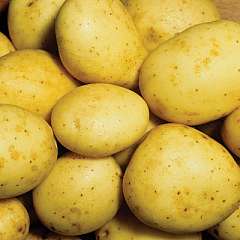
Boulangère potatoes

Boulangère potatoes

I forgot to take a photo of the
finished dish... sorry!
Usually if I was to make some sort of gratin with potatoes it would always be gratin dauphinoise as the mixture of cream, potatoes and garlic is truly one of the greatest dishes. However recently we had the neighbours round and I was serving a roast chicken with rich garlicky sauce to be followed by a very decadent chocolatey dessert, so I thought we should have something less artery clogging. It was incredibly yummy to the point that Mr Neighbour and lovely fiancé were fighting over the last scrapings of the dish.

The name comes from boulangerie, (french bakery) as it is meant to be like a baguette with its very crispy top revealing an incredibly soft underneath.

Boulangère potatoes

Serves 4

75g butter
1kg floury potatoes, such as maris piper
1 medium onion
400ml Stock (preferably chicken, but vegetable would also work)
Salt and pepper

Preheat oven to 170ºC.

Butter an oven-proof dish with half the butter. Peel the potatoes and onions and slice as finely as you can, I would recommend using a mandolin for this. Make a layer of potatoes over the bottom of the dish with the discs overlapping, follow by a layer of onion and a good grinding of fresh pepper and salt. Repeat layering potato, onion, seasoning, ending on a layer of potatoes.

Press it all down firmly. Pour on the stock slowly, you may not need all of it, you want all the potatoes to be submerged but only just. Dot with the remaining butter then bake in the oven for about 2 hours until all the stock has been absorbed by the potatoes, the top is crispy and potatoes are tender.

Thursday, 21 October 2010

Random Tip 1: Perfect melted chocolate

Perfect melted chocolate

Firstly, always use the best chocolate you can.

Chocolatey goodness
The trick to cooking chocolate without it seizing is to make sure everything your using is perfectly clean and does not come into contact with any water or steam. Put a bowl over a pan of barely simmering water, making sure the bowl does not touch the water and that no steam can escape round the edges. Don't use a wooden spoon as they can hold water, a metal spoon is good or my preference is a rubber spatula. If your chocolate should seize, your best of starting again but if you have no more chocolate then you may be able to save your chocolate by adding liquid, depending on what you are making butter or cream may be a good idea, or maybe some rum, chocolate loves booze.  

Some people choose to melt their chocolate in a microwave, but I hate microwaves so don't expect any tips on that!

Thursday, 14 October 2010

Breton Flan

The Flan* Mission

*That's 'flan' to be pronounced with an outrageous french accent to get it right: 'flohn'.

When I was younger my family had a small cottage in the depths of the countryside of Brittany, northern France where I spent almost every holiday. I am sure my love of fantastic food and beautiful countyside originates in all those weeks away.

Anyway that's the context for you, the point is one of my favourite memories when I drift off into nostalgia is the beautiful Breton custard pastry 'flan'. Made with dried apricots, prunes or my preference being for the plain; it is a simple but incredibly yummy treat.

I have set myself a mission to find the perfect recipe for flan, one that will satisfy all my memories of time spent in France.

Joanne Harris' version.
Yummy but not right.
My hunt began rumaging through my own bookshelf. The only book to have anything close was The French Kitchen by Joanne Harris and Fran Warde, the recipe did not have the thin pastry that I am after but I tried it anyway to see if the custard was right. I did it with prunes and ohh it was yummy (and lovely fiance's first taste of this french treat I have gushed about so often). But it wasn't right, tasted very buttery (quite a lot of melted butter went into it) and the top was sprinkled with sugar which is just plain wrong. Flan as I know it should have an almost leathery 'skin' on the top (not making it sound appetising there) none of this sugar business. So it was a fail in terms of nostalgia but still a yummy dessert.

Then a few days ago I was in St. Pancras train station getting a train to see the in-laws and saw that Paul (the french bakery store, not a random chap) was selling flan, naturally I could not resist. Oooh it was tasty but oooh no it wasn't right. This time there was pastry holding it together, making it something you can eat on the move (as it should be) but the pastry was too crumbly and cake-y. The custard was certainly closer than the Joanne Harris but had too much wibble about it (maybe not the technical word there...).

So dear readers, the hunt continues and I will keep you informed. But please do send me any recipes you may have for it and I will put them to the taste test!

Friday, 8 October 2010

Take one... bacon collar joint

Take one... bacon collar joint

I love meals that leave you with tasty leftovers, I don't mean 'heat them up in the microwave' leftovers (for the record I hate microwaves but more of that another day), exciting leftovers that naturally lead on to other meal ideas. Tonight I will be cooking up a bacon collar joint, cooking it in cider with veggies; the weather is cold and miserable outside and it sounds most suitable.  Then tomorrow night that lovely meat will be cooked up with some mushrooms in a tasty sauce and wrapped up in pancakes with cheese on top (one of lovely fiance's favourite meals).  There should still be enough left that the day after we'll go for something a bit less decadent and have a tasty soup from it.  So there you have it, three days of tasty, autumnal food. Other options you could try for the leftovers would be in a risotto with peas, a tasty addition to macaroni cheese - good macaroni cheese is one of life's great pleasures so do it properly.

Bacon collar joint cooked in cider
A cooking joint does not an interesting picture
 make- so here's a pig instead
serves 2 with lots for lovely leftovers

1 bacon collar joint about 1.5 Kg
1 carrot peeled and chopped
1 leek chopped into chunks
1 small eating apple, cored and chopped into 8 (no need to peel)
Good quality cider to cover
1/2 tbsp black peppercorns
1 bay leaf
Sprig of thyme

For the sauce-
Knob of butter, unsalted (the meat is very salty so you will not need to put in any extra salt)
1 tbsp plain flour
Reserved cooking liquid


Put your bacon joint in a pan with water to cold water to cover, bring to the boil and then simmer for 15 minutes.  Then strain off the water.  Clean out the pan and then put the joint back in along with all carrots, leek and apple.  You can either put the spices in loose or it would be neater to tie them in a square of muslin (or an unwanted pair of old tights seems to work well!).  Now cover the whole lot with the cider (hoping there is a little left over for an aperitif) bring to the boil and then simmer for about 1 1/2 hours until it can be easily pierced with a knife.

When it's ready, remove the pork and veggies and keep warm, (this is where you will be grateful if you have put all the spices together rather than having to pick out all the pesky little peppercorns).  Keep the cooking liquid to make a beautiful sauce. Melt a small knob of butter in a pan and then sprinkle in the flour and heat until it fizzes.  Now add your cooking liquid a little at a time stirring all the time until you reach the desired consistency.  Taste for seasoning but I'd be amazed if you need any salt.

It is rich, especially with the sauce so I'd recommend a simple accompaniment and  of course a nice glass of cider!

Saturday, 25 September 2010

Rum truffles ('The Food Chain')

The 'Food Chain'

No this is not a science lesson akin to dog-chicken-corn, this is a different sort of food chain.  The food chain that tends to define the contents of my shopping lists. I hate wasting food and always try to be a little bit frugal but this tends to lead me on a downhill spiral of recipe upon recipe (or shall we be optimistic and say uphill spiral?)

Let me give you an example - I had a craving to make rum truffles last week, the bakery type not the chocolaterie variety.  Rum truffle recipes were a way of a bakery using up broken biscuits and old sponge, so the chain began me having to make some little sponge cakes. Half of these were iced for a yummy afternoon treat and the rest were kept for the truffles. (The leftover rum went into a yummy Zombie cocktail). I bought in the biscuits rather than making them myself, but then I had half a packet of digestives.  So I decided to make a cheesecake.  This required me to buy lots of Quark (I was doing a German -style cheesecake), and yes there was then quark leftover so I used it to make a sort of moussey-fruity dessert, thus ending the chain.

Craving for rum truffles Right arrow sponge cakes Right arrow truffles Right arrow cheesecake (and cocktail!) Right arrow mousse dessert

I made the cheesecake so as to not waste the biscuits (yes I could have just dunked them in my tea but that wouldn't have been very creative now), those biscuits were probably only worth about 30p but I refused to waste them so ended up making more things, which of course meant spending more money.  Maybe that's the curse of the foodie, every recipe inspires another, but I guess my stubborn refusal to throw things out keeps my repoiture fresh!

Rum Truffles (makes about 12 cupcake case sized truffles)

6 tbsp Cocoa
1/4 pint hot water
7 tablespoons dark or golden rum*
4 tablespoons apricot jam (I actually used homemade peach jam but I don't expect you all to have that!)
350g biscuits (nothing too exotic, digestive are ideal) crushed
350g sponge cake, crumbled
chocolate vermicelli

Put the cocoa in a bowl and pour on the water and the rum and mix well until smooth. Add everything else apart from the vermicelli and mix it together well, knead until you have a firm sticky dough, if too dry toss in more rum (or water for the boring ones out there). Roll the mixture into small balls a to fit your cases snuggly and then roll them in the vermicelli until coated. Best kept in the fridge.
Simple but oh so good.

* You could soak some raisins in the rum if you like before you mix it all together, but in my humble opinion why ruin a nice piece of decadence with dried fruit?

Monday, 20 September 2010

Beetroot chocolate brownies

Beetroot Part II

I am yet again in a glut of beetroot after a chum kindly bestowed a tray full of goodies from their allotment. So I thought I'd better try something different.
A few years ago I tried a National Trust recipe for a beetroot chocolate cake and I have made my own version.

Beetroot chocolate brownies

175g Dark chocolate
150g Unsalted butter
150g Caster sugar
2 eggs, beaten
150g beetroot grated
175g plain flour
1 tsp baking powder

For the chocolate frosting:
50g unsalted butter at room temperature
25ml milk
150g icing sugar, sifted
20g cocoa, sifted

Preheat oven to 200 C. Line a 17.5 x 27.5 cm brownie tin with greasproof paper and lightly grease.

Melt the chocolate and the butter in a metal bowl over a saucepan of barely simmering water. (It is crucial that no steam escapes and use a metal spoon or rubber spatula to stir). Once melted stir in the sugar and the eggs. Sieve the flour and baking powder together in a bowl and add the wet ingredients. Finally add your beetroot and mix everything well. Pour into the prepared tin and cook for 20-25 minutes until a skewer comes out clean.

Once cool mix all the frosting ingredients together and blend well with an electric whisk, I find it looks better not smoothed down too much on top of the brownies, keep it rough.

----
I should also mention that in my previous Beetroot entry I wrongly said that beetroot in white sauce is my Mother-in-law's way of serving it. Father-in-law has since pointed out that it was his mother's recipe and he used to have it as a boy, so it seems it's passing down the generations. I have also since been looking in some of my older recipe books and I can find a similar recipe from circa 1940 so there we are, a bit of history of beetroot and my in-laws for you!

Beet on FoodistaBeet

Thursday, 16 September 2010

Basil

Had dinner with friends on Saturday night and our hosts had a most envious basil bush in their herb garden. After listening to me ramble on about all the cooking possibilities for most of the evening, I woke up the next morning to find a huge bag of the stuff on my door step; I am loving the fact that my kitchen smells a little bit like Italy and I have lots planned for it:


Basil Oil - ridiculously easy but so useful to have in the kitchen. I will be using it to sex-up pastas, risottos and salads, also for homemade pizzas and bruschetta.

Pesto - Mmmm pesto. Pesto does not need to be limited to pasta or gnocchi, I'll be using it as a coating for chicken in salads, using it in soups, stuffing chicken breasts, again bruschetta. YUM!

Also try - serving basil with mozzarella and tomato drizzled with olive oil for a simple salad, pasta salads, stuffing meat etc

Basil Oil
Take a clean jar or bottle and losely pack with basil leaves, pour over olive oil. Unlike other flavoured oils when using soft herbs like basil you need cold olive oil rather than warm. After a couple of weeks strain and rebottle.

Pesto
2 cloves of garlic
500ml basil leaves compact but don't squish them down too much
50g pinenuts
50g Parmesan cheese, grated
150ml olive oil
Salt and pepper to taste

In a blender whizz together the garlic and basil, then add the pinenuts and parmesan whizz again. Then pour in the oil with the motor running. Season to taste.

It is best kept in the fridge, it will last longer if you make sure there is always a thin layer of oil at the top of the jar.

Tomato Salsa - chiffonade your basil, then add to concasse tomatoes, garlic and finely chopped shalots with a good glug of olive oil.*


* Excuse the cookery lingo:
Chiffonade - lay individual basil leaves on top of one another then roll up from the stem end and slice thinly
Concasse - cut the tomato into quarters, remove the seeds (a teaspoon is excellent for this) and then finely dice.)

Wednesday, 15 September 2010

The Passata Saga

Oooh there is nothing that angers me quite so much in this world as a bad recipe and yesterday my anger levels were truly tested. I thought it would be a nice and seasonal activity to make some passata from the abundance of tomatoes the local market had to offer.  It seemed a simple recipe, lots of tomatoes, shallots, garlic and fresh herbs tossed in a roasting pan and cooked until soft in the oven. That all went fine and dandy, smelt amazing, I was content.  The next stage in the cooking process is where everything went dramatically wrong - sieving the damn thing.  For those of you who don't know passata is basically just sieved tomatoes so its thicker than chopped tomatoes, thinner than puree and is a great thing to have in the cupboard for a quick thrown together pasta or as a base for lasagne or homemade pizza sauce etc etc. 
Pasteurising the 'sauce' not passata
(before I knocked one of the jars over)

The recipe I was using (from the previously praised and now banished from the kitchen River Cottage cook book Preserves by Pam Corbin) said I could push the cooked tomatoes through a nylon sieve.  Impossible, stupid idea, just resulted in a tomatoey water and would have taken hours to get through the 7Kg of tomatoes I had cooked.  Promptly gave up on that idea, a mouli is a good way of making passata but I had wanted to avoid spending the money, but decided it was worth it and well I had little choice. Alas there was no mouli to be found in my little Surrey town, all I could find was a potato ricer, which I figured may do the job.  Nope.  This had the far more dramatic effect of squirting tomatoes all over the wall and my clothes (lesson there to always remember the apron). 

At this stage a hissy-fit was more than likely so lovely fiancé stepped in to calm me, i.e. he poured me a large glass of wine and politely suggested a blender.  I won't type what I said when one of the full kilner jars fell over in the preserving pan while I was pasteurising it, let's just say a passing sailor would have been shocked. So in the end I did not have the desired passata, rather a pasta sauce but it still tasted fabulous at least.

Friday, 10 September 2010

Beetroot

It's in season and it turns everything in your kitchen, hands included, a hilarious colour of pink, how could anyone not love beetroot (or 'beets' to our american cousins)? Every time I eat beetroot I feel like a 'proper adult' as I never ate it as a child. My sister and I weren't allowed; presumably and quite rightly, because we would have ended up getting that pink stain all over our clothes and the wallpaper.

I like to cook it in the oven (remember to keep the leaves, good alternative to spinach). Give them a scrub to get off any soil but keep the skin intact. Wrap in kitchen foil and put in a hot oven (Gas 6), smaller ones may only need half an hour but bigger ones may take quite a lot longer, when you can pierce them with a knife easily they're done. Once cool enough to handle remove the skins.

Things I will be doing with beetroot:

Red flannel hash - it isn't red and there certainly is no flannel involved but this is basically the name for corned beef hash with added beetroot. I am still slightly appaled by the dog food like quality of corned beef but fiance-dearest encouraged me to try it and I do now find it a bit of a guilty pleasure. (On a separate note it's a great stomach filler before a night of drinking).

Balsamic, honey glaze - drizzle cooked beetroot with honey and a splash of balsamic vinegar then finished in the oven for 20 mins (hot oven). Nice accompaniment to a roast.

White sauce - this is how my mother-in-law serves it, top cooked beetroot with white sauce and finish in the oven. It turns a beautiful colour.

Of course the cooked beetroot goes fantastically in salad. I loved Raymond Blanc's recent Kitchen Secrets series, and his Hot smoked salmon, beetroot salad and horseradish crème fraîche recipe looks fantasic: http://www.bbc.co.uk/food/recipes/brandonrostsmokedsal_93502

Wednesday, 8 September 2010

Raspberry Vinegar

For the past couple of weeks every time a chum has popped round they have wrinkled up their noses and demanded to know why my house always smells of vinegar. Which is a slight exageration, but there is some truth in it, what with all the chutneys I have been making there has been a certain tang about the air of late.

These smells reached their crescendo last night as I made raspberry vinegar, which had been stewing in a bowl on the kitchen table for the best part of a week. I decided to make raspberry vinegar after reading Susan Loomis' On Rue Tatin, which is about her experience (as an American) moving to France as a cookery writer. The recipes in it look fantastic; I was particularly intrigued by her suggestion to serve goats cheese with raspberry vinegar and lavender honey. When I stumbled across a recipe for raspberry vinegar in the River Cottage Preseves book, Preserves, by Pam Corbin I couldn't resist. The colour of the vinegar is stunning and it was incredibly simple to make. And better yet that should be the end of my house smelling of vinegar!
Raspberries stewing in vinegar

Raspberry Vinegar

1kg Raspberries
600ml white wine vinegar
Granulated Sugar

The raspberries need to be put in a bowl with the vinegar, smash them up a bit and then leave to stew for 5 days. Strain through a blanched jelly bag over night. Then measure your liquid, for every 600ml vinegar add 450g sugar. Bring this to the boil stirring to dissolve the sugar and boil for 10 minutes. If any scum rises remove it. Remove from the heat and bottle once cool.


-----------

In other news, I think my preserving phase is taking over my mind - I had a meeting yesterday and ended up educating the poor chap about pectin levels in different fruits!

Mushrooming

Fantastic looking but very, VERY
poisonous
My wonderful chums got me a foraging/ mushrooming day course for my birthday this year.

My mushrooming day began with me in a state of panic over my morning coffee, as I had it in my head that I would be the only person on the course and it would be me and a couple of mad old hippies traipsing through the Surrey countryside. Thank God those fears were unfounded and I had a fantastic day, exhausting though, clearly I am not used to spending a Saturday concentrating on lectures and rummaging about in the forest.

I am pleased to say I collected quite a horde, I am a rather sore loser and would have had quite a sulk if I had returned with an empty basket. I collected quite a number of ceps (otherwise known as porchini or penny bun) and a rather unappetising looking boletus which I have been assured is very tasty.

Lunch was provided and was very in-keeping with the foraging/ countryside theme. On the menu was watercress soup with cep and olive bread, game casserole (for which I did apologise to the bunnies when I came home for eating their cousin) followed by cranachan, all very tasty indeed.

Our hosts, Peter and Clifford had a back up plan in case we were unsuccessful in our hunt so had gathered a number of fungi which grow in fields (as opposed to our woodland hunt) for us to take home and I gladly took some of them home as well.

Field Mushrooms
The field mushrooms became our dinner that evening, most were just fried off with butter, garlic and parsley and served on ciabatta. For the puff balls I tried Clifford's recommendation of cutting a slice which looked not dissimiliar to a slice of bread, then drizzled with olive oil, some crushed garlic and fresh herbs and toasted under the grill, yum.

I wanted to preserve the ceps and boletus, so sliced them and they are drying on wire cooling racks in the warmest spot in the house I could find - which happens to be next to my other half's computer, which is drying them out nicely. I have since been looking into this and have found that many mushroomers prefer to blanch them in butter or oil and then freeze them, which I will be trying next time.

The day was organised by Peter Sibley and Clifford Davy of Wild Harvest www.wildharvest.com, highly recommended.

Sunday, 5 September 2010

Fruit Liqeurs

Now, I am a woman who likes the occasional drinkie and I particularly like a drink which doesn’t cost too much and I can take some sort of credit for how tasty it is. For that reason I am a big fan of making fruit liqueurs and at this time of year the markets and countryside are abundant with lots of tempting fruits. I have made more fiddly drinks, such as Limoncello, in the past but while yummy I still prefer the very simple gin or vodka based drinks which only require fruit, sugar, booze and maybe some added spices.

Fruity boozy goodness


The benefit of these sort of drinks is once you know the very simple method you can experiment with all sorts of drinks.

You will need-
Large sterile jar/ bottle (ensuring a large enough opening for your fruit of choice)
Fruit (sloes, damsons, plums, peaches, blackberries, cherries etc)
Caster sugar
Lots of cheap gin/ vodka (I always use very cheap supermarket branded spirits, there is no need to use the good stuff)
Spices (optional)

Prepare your fruit, ensure they are of sound quality (you don’t want anything bruised) and clean either by wiping over with a damp cloth (good for plums etc) or washing briefing (better for fiddly things like blackberries). Soft fruits such as blackberries can go straight in the jar but for fruits with a stone I recommend pricking a few times with a large needle. You want to fill your jar about two thirds of the way up with fruit, ensuring it is compact but not squashed, then pour on the sugar until it reaches half way up the fruit. Now pour on your spirit until the top of the container and chuck in any spices, seal tightly and give it a good shake. Shake it every day for a month and then strain it through a jelly bag and seal in smaller bottles after 3 months.

I have been known to use damsons and plums that have been used as above in making scrummy jams, and once just served as they were with ice-cream, that was quite an intense dessert though!

A few recommendations-

  • Sloes need more sugar than damsons, plums less than either
  • Sloes, plums and damsons all work particularly well with gin.
  • Good spices to experiment with are vanilla pods, cinnamon sticks and with gin juniper berries work very well indeed.
Also experiment with mixers for the drinks and the endless variety of cocktails you can make, I have found pomegranate juice goes very well with elderberry vodka, and damson gin makes for a great punch at parties.

Tuesday, 31 August 2010

Drinkies and Petit Fours

We had drinkies with the neighbours on Friday, for which I offered to bring something dessert-ish for us all to nibble on. And just to make sure that nothing goes simply the host is also wheat and dairy intolerant, not the easiest person to make a dessert for. I struck upon an idea to make petit fours that way avoiding baking which is of course so often laden with butter and flour.

I made Caramel Custard Squares from Good Housekeeping’s, Step-by-Step Cook Book. Which were fine but not a recipe I would particularly recommend, just not enough wow factor for the faff that went into making them. To accompany the squares I went a bit nostalgic and decided to make every 7-year-olds favourite, peppermint creams. I also thought it would be a good idea to experiment with different flavours and recruited my lovely fiancé to join in.


Lovely fiance's 'builder's grout'
In a matter of minutes, we had beautiful peppermint creams rolled in very dark chocolate shavings to make them a bit more adult-friendly. We did however also have a kitchen-full of various bowls of creamy paste in a myriad of colours including something that looked like builders grout and something yellow with crunchy bits in. Maybe we had been sampling a bit too much of the ridiculously sweet mixture but our flavours of choice were: limoncello (crunchy – fiancé had fun trying to reduce it down to improve the texture), crème de mures (bloody nice actually), elderberry vodka (made no difference apart from making it runny).

Needless to say only the non-embarassing ones (peppermint choc and crème de mures) ended up being offered to the neighbours and they were all finished which is a good sign, though we did get through a truly impressive amount of wine and rum so judgement may have been impaired.

Lesson of the day: cooking with fiancé dearest is huge amounts of fun, and better yet I have no fear of being rivalled for the role of cook in the relationship!

August's Column

I have just posted my first monthly column, just in the nick of time as August is nearly over.  For my first column I am tackling the subject of supermarket shopping.


August 2010 - Supermarkets

A perfectly pleasant looking sixty-something year old woman was in front of me in the checkout queue in Waitrose yesterday. Indeed the same woman and I seem to be keeping to the same shopping clock and have been in the supermarket at the same time at least twice a week for the last fortnight. I am very ashamed to admit I have developed an impressively intense hatred for this stranger. And she is by no means the first person to fall victim to my prejudice, any poor soul who I encounter in a food shopping environment could be subjected to the same fate; because I am a food bitch and she is my latest IFB, or Inferior Food Buyer.

I love supermarket shopping, not in my local Sainsbury’s mind you where they are constantly running out of essentials like milk, the aisles too close together and there are never enough people working on the tills. And the one time I found myself in Lidl’s scarred me for life; less said about that the better. Of course I would rather a farm shop, but needs must and my supermarket of choice is Waitrose. I’m sure some of you are thinking ‘Marks and Spencer’s surely, if you are such a snob about these things’ but no, M and S is good for people who don’t actually cook; try buying a selection of ingredients for a proper dinner and you will be hard fetched to find anything that isn’t already prepared for you in some way, shape or form.

Long have I played the game with myself whereby I survey a fellow shopper’s selection as it sits upon the conveyer belt and try to work out what meals they are planning to cook. Never have I taken this to the extent of asking them in order to ascertain whether I am correct mind you, but it is a good way of thinking up different meals. Try it, good way to kill time at the checkout. Latest IFB’s basket was full of all the things that I resent most: pre-chopped onions, ready prepped veggies, steaks that come complete with a little sachet of sauce -heaven forbid you bother to make your own. I know I am being harsh, surely many such people are very busy and have very long working-weeks and such people I can forgive (if I really, really try) for cutting corners, but I know this woman is free to go to Waitrose at about three in the afternoon multiple times in the week, so she can’t be that hard working.

It makes me wonder what my fellow shoppers make of me and my selection. My trolley is never without a small mountain of greens and carrots so I must look like a very healthy soul, in fact said veggies are actually for my two pet bunnies, but I do like how virtuous it makes me look. An example recent basket of mine contained: pork tenderloin, apples and onion to stuff it, cider for the sauce and potatoes for a lovely creamy mash; proper ingredients, no pre peeled potatoes to be found in my basket. Invariably there is alcohol of some description is always a feature; which is a pain when all the people on the checkout are less than 18 and look they have just walked off the set of Skins and have to do that annoying waving the offending liquor in the air until their supervisor types in a code, having glared at me in a quizzical manner.

I try to give pleasant looking sixty-something year old woman and other IFBs the benefit of the doubt, but as much as I try and tell myself they may dedicate their lives to looking after sick and dying children or trying to cure cancer it is of no use.

So it is with regret that I warn you that if you are out shopping and you are suffering from IFBism, watch out for a woman trying to hide her sneer; or you may just find when your back is turned that that bag of pre chopped carrots batons you had selected has transformed into a bunch of whole carrots, with the greens still on the end and covered in soil.

Wednesday, 25 August 2010

Throw-it-Together Tapas

Tonight is going to be a ‘throw it together dinner’ sort of night. In short, I need to curb my spending on food or this blog will be sure to bankrupt me. So, I had a rummage in the cupboards last night to see what tasty delights I could make without yet another trip to the shops. The king of all throw together meals in my opinion is Tapas.

I had a sizeable chunk of Chorizo in the fridge which I have been marinating in wine over night and am defrosting some raw prawns to be cooked in a garlicky sauce would should be great with some fresh bread to mop up the juices (meaning I will have to break my rule and go buy some bread but I think I can allow myself that). So the menu tonight: Chorizo in red wine, garlicky prawns, bread, meats and cheese and a nice big salad. With a nice bottle of red wine I reckon we’ll be most content. That said give me red wine with anything and I’ll be grinning inanely before too long.


Chorizo in red wine (2 people as part of tapas platter)

200g Chorizo cut into inch long chunks
Enough red wine to cover (I’m using Spanish wine as it seems in-keeping with the theme, maybe that’s not really necessary)
1 Garlic clove, crushed

Pop chorizo in a bowl with the garlic and pour on your wine until the sausage is covered, season, pop in fridge and leave for at least 12 hours. Then pour yourself a glass of wine for a job well done.

When ready to cook strain (reserving the wine) then fry for about 5 minutes, turning regularly, in a frying pan (no need for oil, chorizo is plenty fatty enough). Then pour over the wine mixture and quickly heat through, when hot, serve with bread.


Garlicky Prawns (2 people as part of tapas platter)

300g Raw tiger prawns, defrosted if frozen
2 Garlic cloves, crushed
2 tbsp olive oil
1 red chilli, deseeded and finely chopped
Juice of half a lemon
Parsley and lemon wedge to serve

Heat the oil in a large frying pan or wok to medium-high temperature, toss in the garlic and chilli and cook for a minute, until the garlic is cooked but not coloured. Chuck in your prawns and cook for 4 minutes on a high temperature until pink and cooked through, then throw in your lemon juice. Serve with a sprinkling of fresh parsley and a lemon wedge. If you want more sauce I would chuck in some white wine towards the end of cooking, but maybe I’m just in a wine-y sort of mood today.

Monday, 23 August 2010

Flavoured Oil and Pontack (elderberry) Sauce

Well, hello, I told myself that today I would write my first proper blog entry so got up this morning with great aspirations of the things I would create today and write all about them. However, I wasn't expecting that my first adventure into blogging would be one that resulted in my kitchen being covered in olive oil.

The ill-fated oil, fig 1
I was in the mood for some preserving this morning so was inspired to use up some chillies that were hanging around after I made a curry at the weekend. (Said curry included my own naan bread which although tasted fabulous took a hell of a lot of work for a meal that I’m afraid to say we gobbled in 15 minutes). I decided to make a flavoured oil with the chillies, a little garlic and some peppercorns. Very quick job, looks jolly pretty in the bottle, done. Then, I thought ‘my, my what a pretty bottle I will photograph this for my first blog entry’. Long story short - in trying to get the perfect angle and balancing the bottle upon various kitchen items the bloody thing fell to the floor, covering the table and kitchen floor in oil as the (evidently not sealed tightly enough) lid had come off. Today I learnt a valuable lesson that I am very bad at photography but on a plus side the oak table got a nice oiling.

Pontack Sauce, fig 2
Thankfully the Pontack Sauce went a bit more smoothly. Yesterday I went out for a walk on the hunt for elderberries for the sauce. Turns out although elder trees seem to be ruddy everywhere, they all seem to scuttle off into hiding the second you actually go looking for the things. So after much trudging about in the damp weather trying to find those purple clouds of berries hanging in the trees, nothing. But of course as I said these things are only around when you’re not looking, so low and behold the second I gave up the hunt I found an abundance of the things.

So after stripping them from the stalk they were popped in the oven with white wine vinegar (circa 500g berries needs 500ml vinegar) to cook on a very low temperature overnight. Having strained off the liquid they were cooked with spices (ginger root, peppercorns, mace, cloves - see fig 2) making a stunning coloured sauce which I reduced down and bottled. Smells and looks beautiful, folklore says Pontack Sauce shouldn’t be used for seven years….sounds mildly excessive but I’ll leave it a few months at least.


Chilli Oil, 250ml

250ml decent quality olive oil (not worth spending a huge amount on)
A 250ml sterile bottle
3 – 4 chillies, fresh or dried

Cut the chillies in half, lengthways, and pop in the bottle. Heat your oil in a pan to about 40 degrees centigrade. Then pour over the chillies and seal. Leave to infuse for about a fortnight then strain and rebottle.

Pontack Sauce, 250ml

700g elderberries stripped from the stalk (you can use a fork for this)
700ml white wine vinegar
250g shallots, peeled and roughly sliced
An inch of ginger root, bruised
8 cloves
1 blade of mace
1 tbsp peppercorns
1 star anise

Put the berries in a oven proof dish with the vinegar and cook for 6 hours in a very low oven, about 120 degrees centigrade. Leave to cool then strain through a sieve using the back of a spoon to press out as much juice as possible. In a saucepan put your liquid and all remaining ingredients and bring to the boil and keep at a gentle boil for 20 minutes. Strain through the sieve again and if you would like it thicker return to the pan and reduce. Bottle in a sterilised bottle and if you can resist, keep it for seven years!